
Civil engineering projects rely on efficient planning, skilled personnel and reliable transportation to keep operations running smoothly. Whether working on highways, utilities, infrastructure developments or maintenance contracts, having the right vehicle can make a significant difference to productivity and project success.
Panel vans are one of the most versatile vehicles used across the construction and civil engineering sectors. They provide a secure and practical solution for transporting tools, equipment and materials between sites while supporting day-to-day operations. In this guide, we explore the role of panel vans in civil engineering projects and how panel van hire can help businesses remain flexible and cost-effective.
Panel vans play a vital role in supporting construction and engineering teams by providing a secure, organised and mobile workspace. Their enclosed load area protects valuable equipment from theft, damage and adverse weather conditions while allowing easy access to essential tools throughout the working day.
From small maintenance projects to large-scale infrastructure developments, panel vans help teams transport everything they need efficiently and safely.
Civil engineering projects require a wide range of specialist tools and equipment. Panel vans provide dedicated storage space for:
Keeping equipment organised and easily accessible helps improve efficiency and reduce downtime on-site.
Many engineering projects involve transporting materials such as:
The enclosed design of a panel van helps protect materials from weather conditions while reducing the risk of theft during transportation.
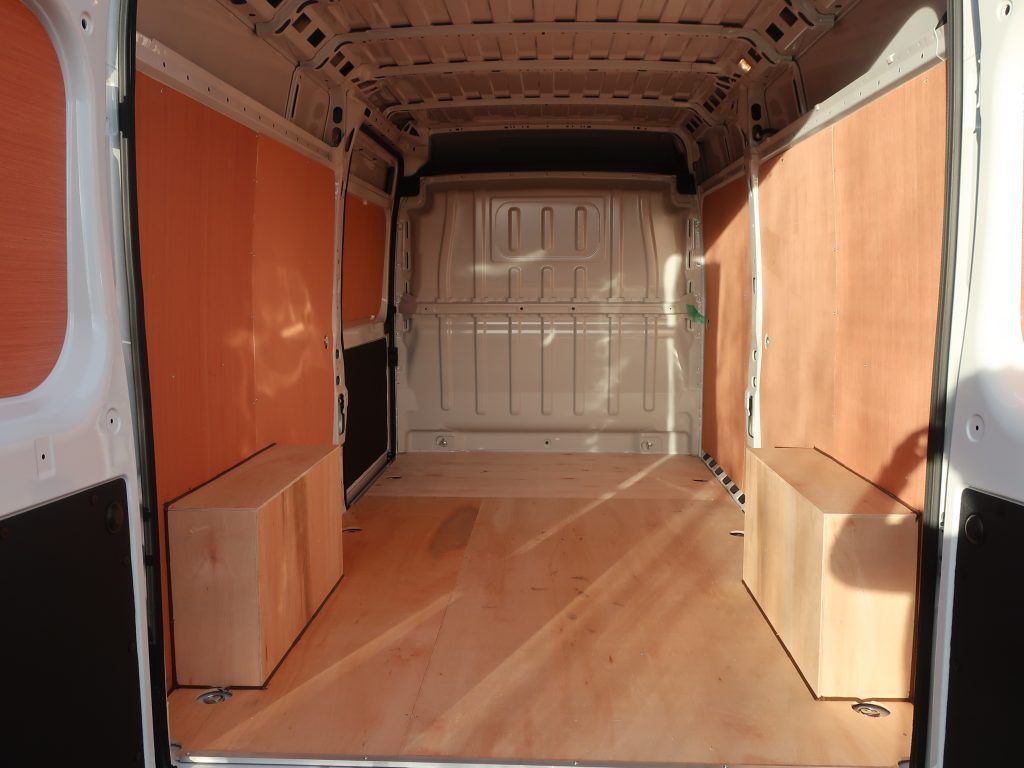
Panel vans effectively act as mobile support units for site teams. Engineers, surveyors and maintenance crews can use them as a convenient base for storing equipment, reviewing plans and carrying out small on-site tasks.
This flexibility makes panel vans a valuable asset for businesses operating across multiple locations.
Efficient logistics are essential in civil engineering. Panel vans allow teams to transport equipment quickly between locations, helping projects stay on schedule and reducing delays caused by missing tools or materials.
Unlike larger commercial vehicles, panel vans offer excellent manoeuvrability and can access restricted areas more easily. This makes them particularly useful for urban projects, highways work and sites with limited access.
Civil engineering projects often experience changing demands throughout different phases of work. Panel van hire allows businesses to increase or reduce fleet size as required without committing to long-term vehicle ownership.
This flexibility can be particularly useful for temporary contracts, seasonal workloads or large-scale infrastructure projects.
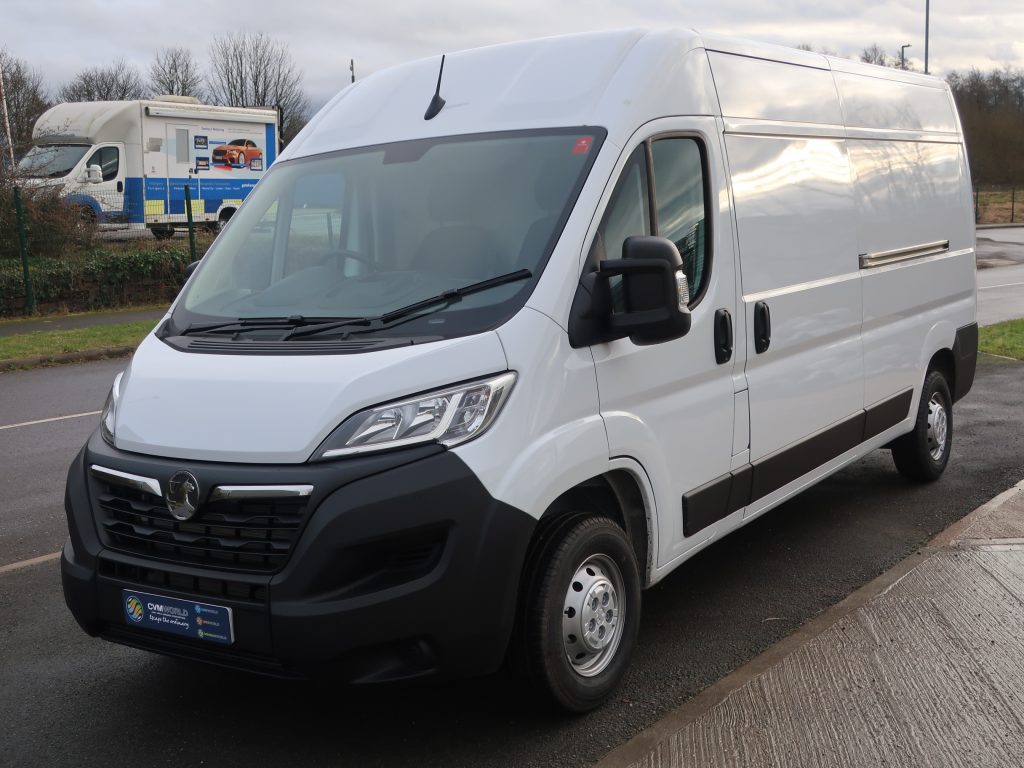
Hiring a panel van can be more cost-effective than purchasing and maintaining additional vehicles.
Businesses can access modern, reliable vehicles while avoiding costs associated with ownership, depreciation and long-term maintenance.
Unexpected situations can arise on any project. Having access to rental vehicles allows businesses to respond quickly by deploying additional personnel, equipment or resources when required.
If an owned vehicle is undergoing maintenance or repair, panel van hire provides a practical replacement solution. This helps minimise disruption and ensures projects continue running efficiently.
Hiring gives businesses access to newer vehicles equipped with the latest safety systems, fuel-efficient engines and improved driver comfort features.
When selecting a panel van for civil engineering work, it is important to consider:
The right vehicle should provide sufficient storage capacity while remaining practical for daily operations and site access requirements.
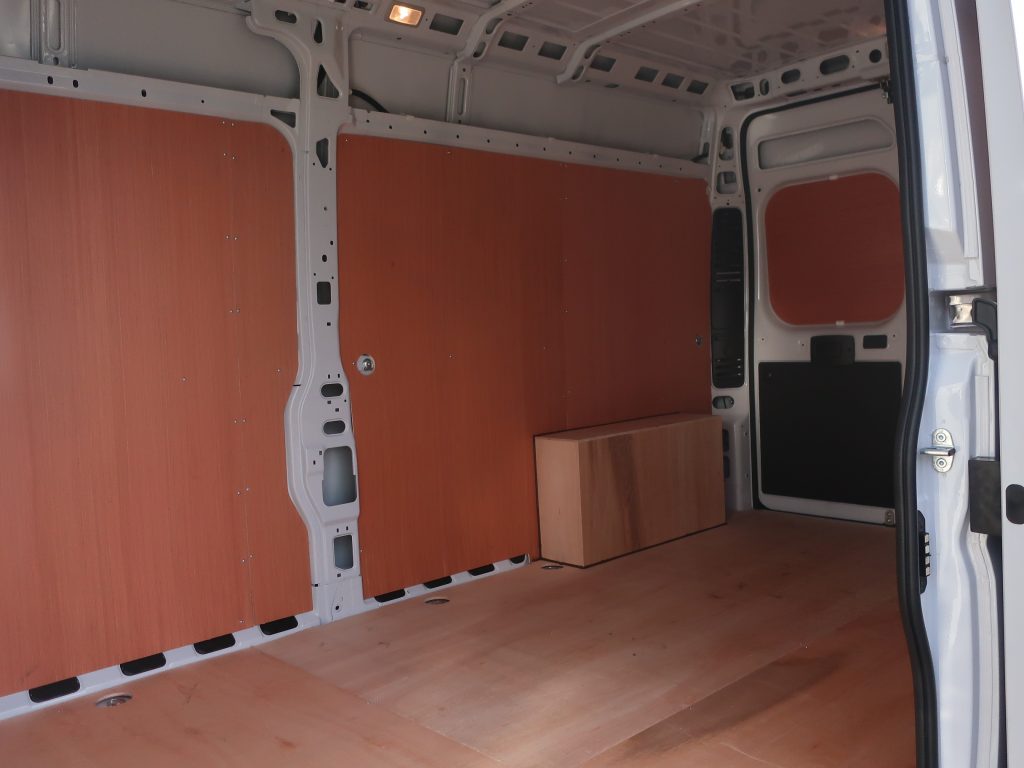
At CVM World Rentals, we understand the demands of the construction and civil engineering industries. Our modern fleet of panel vans is designed to support businesses with reliable, flexible and cost-effective transport solutions.
Whether you require a vehicle for a short-term project, additional fleet support or long-term operational requirements, our team can help you find the right solution for your needs.
With flexible hire options, competitive rates and a commitment to customer service, CVM World Rentals supports businesses across the UK with dependable commercial vehicle hire.
Panel vans provide secure transportation for tools, equipment and materials while offering flexibility and efficiency for site operations.
Panel vans are commonly used to transport construction tools, surveying equipment, materials, safety equipment and maintenance supplies.
Yes. Panel van hire is an ideal solution for temporary contracts, seasonal demand, emergency fleet requirements and project-specific vehicle needs.
Benefits include lower upfront costs, fleet flexibility, reduced maintenance responsibilities and access to modern, reliable vehicles.
Whether you’re managing a construction project, utilities contract or civil engineering operation, the right vehicle can help improve efficiency and productivity. CVM World Rentals offers flexible panel van hire solutions designed to support businesses across a wide range of industries.
Contact our team today to discuss your panel van hire requirements and find the right vehicle for your next project.
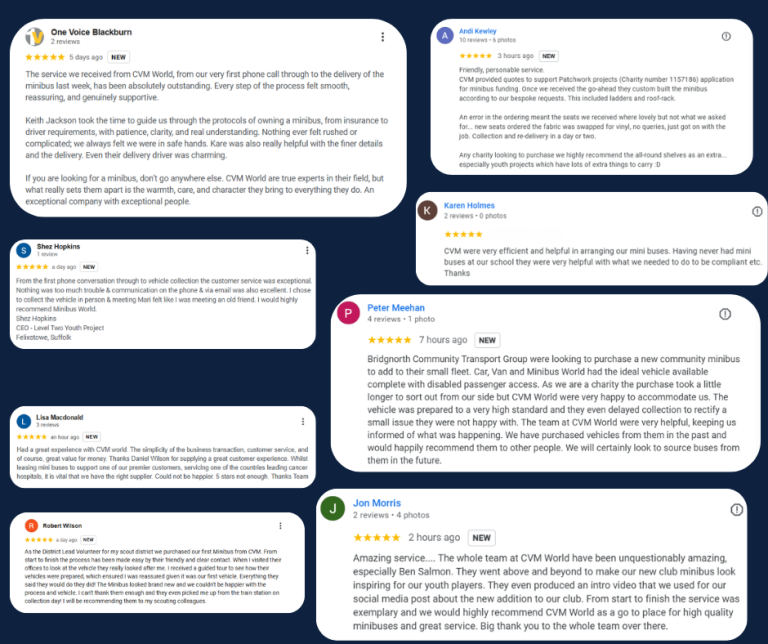
Firstly you will be partnering with a family run business that has been going since 2007. We’ve supplied over 5,000 vehicles during this time. We’re FCA authorised and regulated and work with leading finance partners. But don’t just take our word for it, take a look at our👉 Google Reviews.
The team at CVM World are here to help, so give us a call and let’s have a chat about your next Minibus.
📞 01782 444 289
📩 info@cvmworld.co.uk
🌐 www.minibus-online.co.uk
As businesses across the UK look to reduce emissions and prepare for a greener future, Electric Welfare Vans are becoming an increasingly attractive solution. With the introduction of Clean Air Zones, stricter environmental regulations and growing sustainability targets, many organisations are now exploring electric alternatives to traditional diesel-powered welfare vehicles.
At CVM World, we have already established ourselves as a leading manufacturer of Electric Minibuses. Building on this experience, we are bringing the same expertise and innovation to the Welfare Vehicle market with a range of Electric Welfare Vans designed to support modern workforces while helping organisations reduce their environmental impact.
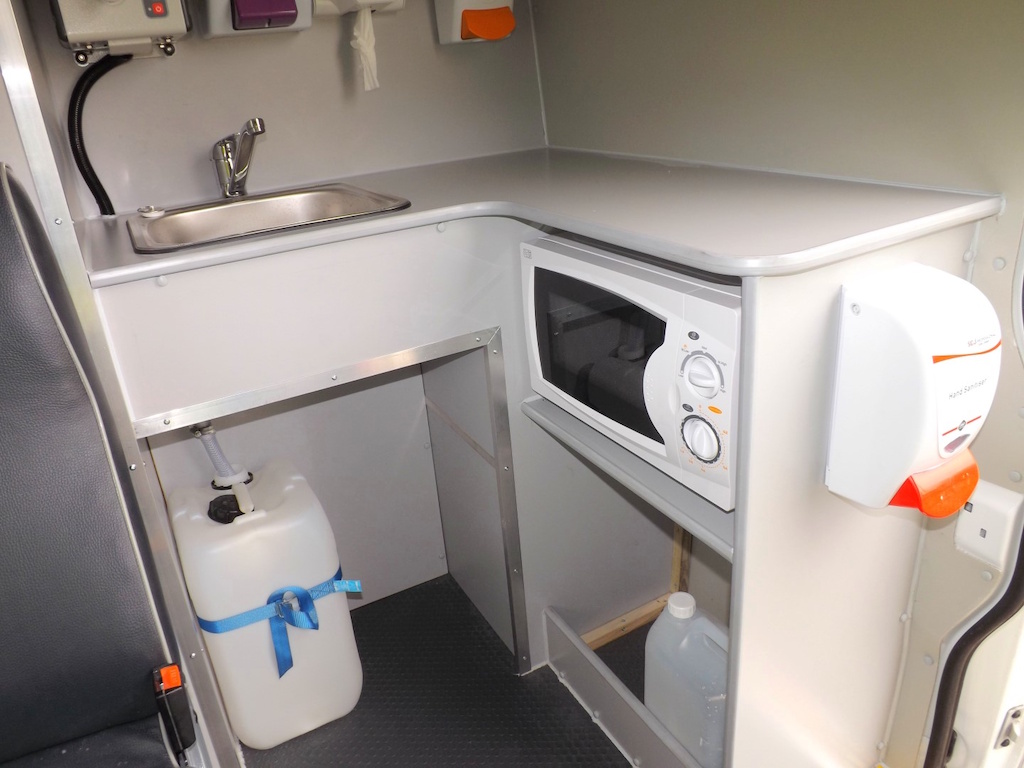
An Electric Welfare Van is a fully equipped mobile welfare vehicle built on an electric van platform. It provides workers with essential on-site facilities while producing zero tailpipe emissions.
Electric Welfare Vans are designed to support employees working on construction sites, highways projects, utilities installations, rail infrastructure and environmental maintenance operations.
Typical welfare facilities may include:
By combining these features with an electric drivetrain, businesses can benefit from both workforce welfare and environmental responsibility.
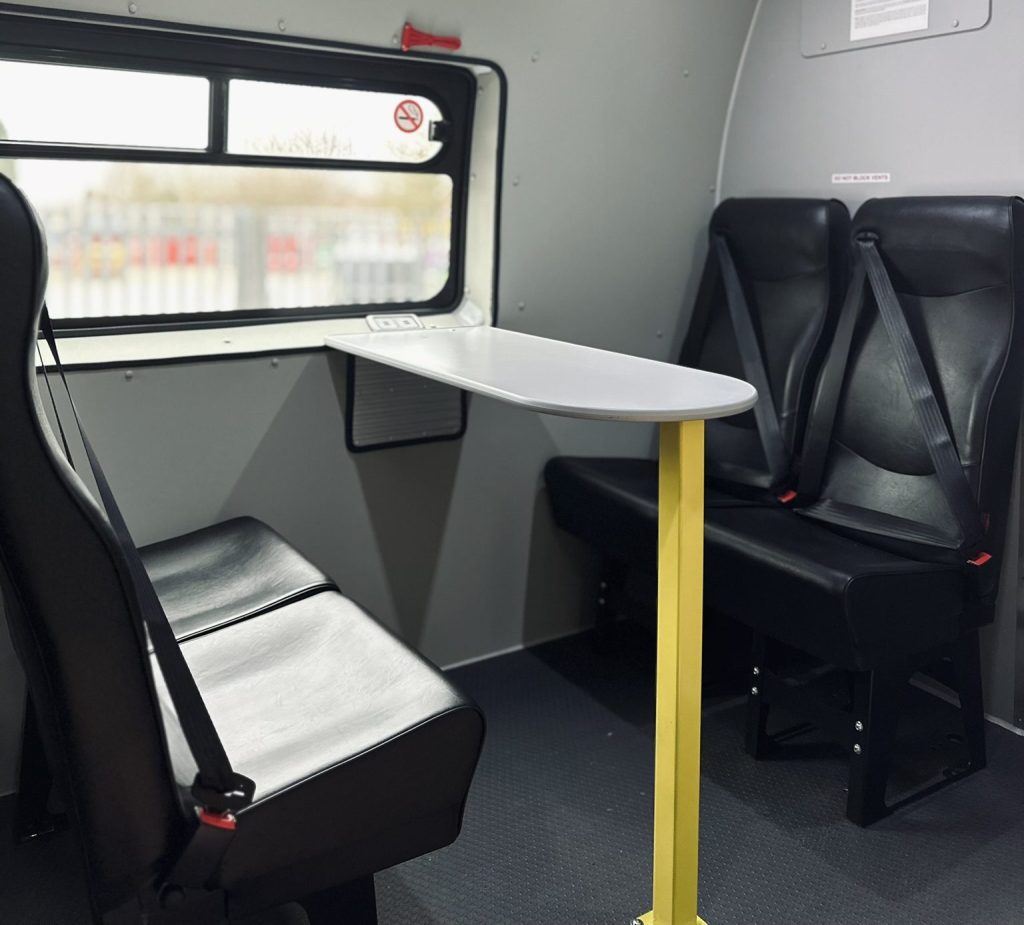
As the commercial vehicle industry continues to evolve, Electric Welfare Vans offer several advantages over traditional diesel alternatives.
One of the biggest benefits of an Electric Welfare Van is the reduction in carbon emissions. As businesses increasingly focus on sustainability targets and environmental compliance, switching to electric vehicles can significantly reduce fleet emissions.
Electric Welfare Vans produce zero tailpipe emissions, helping organisations contribute towards cleaner air and a more sustainable future.
Many UK cities are introducing or expanding Clean Air Zones and Low Emission Zones. Businesses operating diesel vehicles may face charges when entering these areas.
Electric Welfare Vehicles are exempt from many of these restrictions, helping operators avoid additional costs while maintaining access to project locations.
Electric vehicles typically have fewer moving parts than traditional diesel vehicles, resulting in reduced maintenance requirements and lower servicing costs.
Combined with lower energy costs compared to fuel, Electric Welfare Vans can help businesses reduce long-term operating expenses.
Electric Welfare Vans operate much more quietly than diesel-powered alternatives. This can be particularly beneficial when working in residential areas, urban environments or noise-sensitive locations.
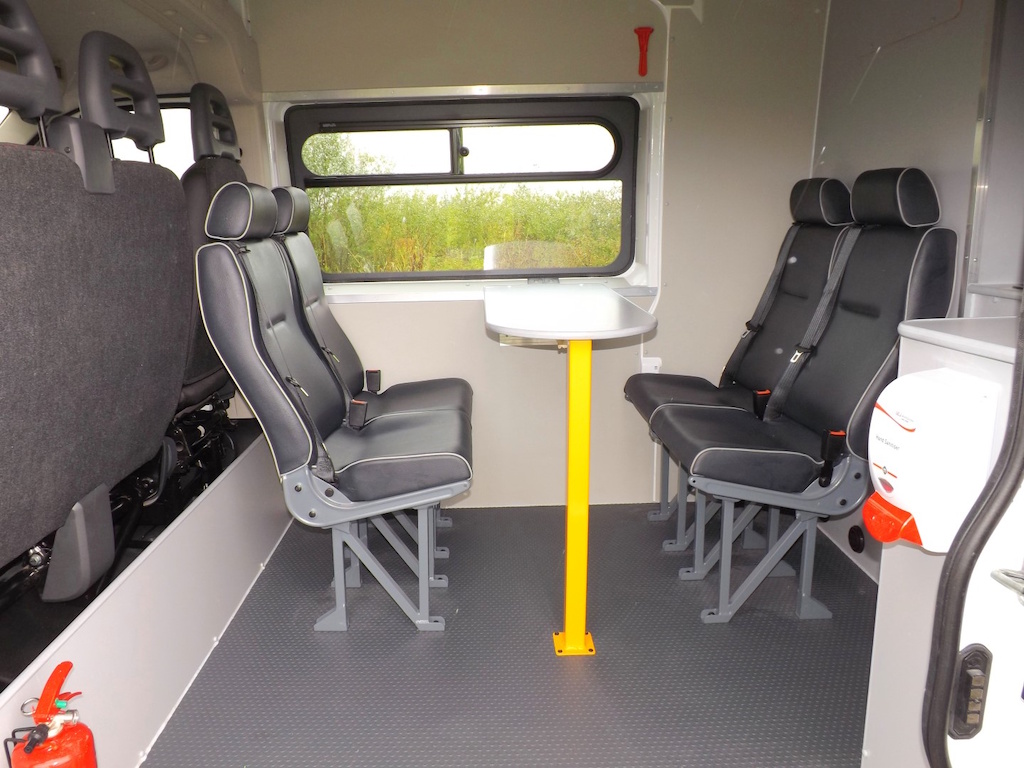
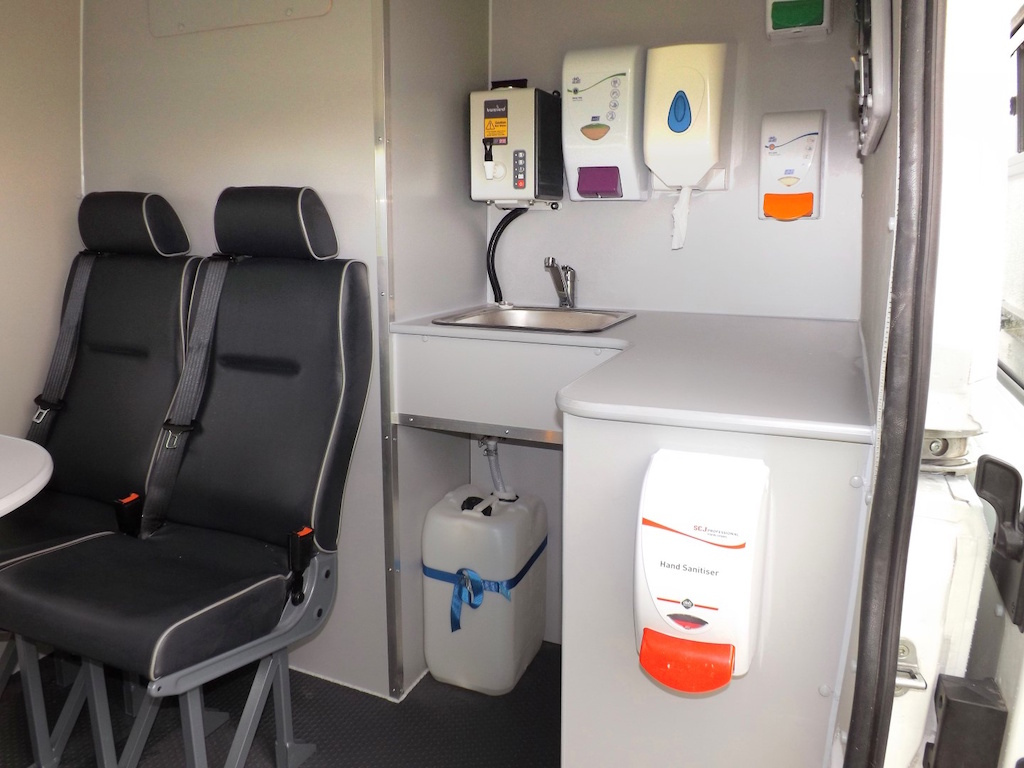
With the launch of the Ford E-Transit, businesses now have access to one of the most recognised electric commercial vehicle platforms on the market.
Due to the popularity of our Ford Transit Welfare Units, the Ford E-Transit provides a natural platform for our next generation of Electric Welfare Vans.
We plan to offer both:
Ideal for smaller teams requiring efficient transport and welfare facilities on-site.
Designed for larger workforces that require additional seating and welfare capacity throughout the working day.
Ford’s advanced technology and connectivity features provide fleet operators with greater visibility and operational control, while our welfare conversion expertise ensures workers have access to the facilities they need.
Electric Welfare Vans are suitable for a wide range of industries and organisations.
Construction contractors can use Electric Welfare Vans to provide welfare facilities while supporting sustainability objectives and reducing emissions on-site.
Utility contractors carrying out maintenance and installation projects can benefit from zero-emission transport while maintaining workforce welfare standards.
Local authorities and highway contractors can use Electric Welfare Vehicles for road maintenance projects where environmental considerations are becoming increasingly important.
Organisations responsible for parks, landscaping and environmental services can reduce their carbon footprint while continuing to provide essential welfare facilities for their teams
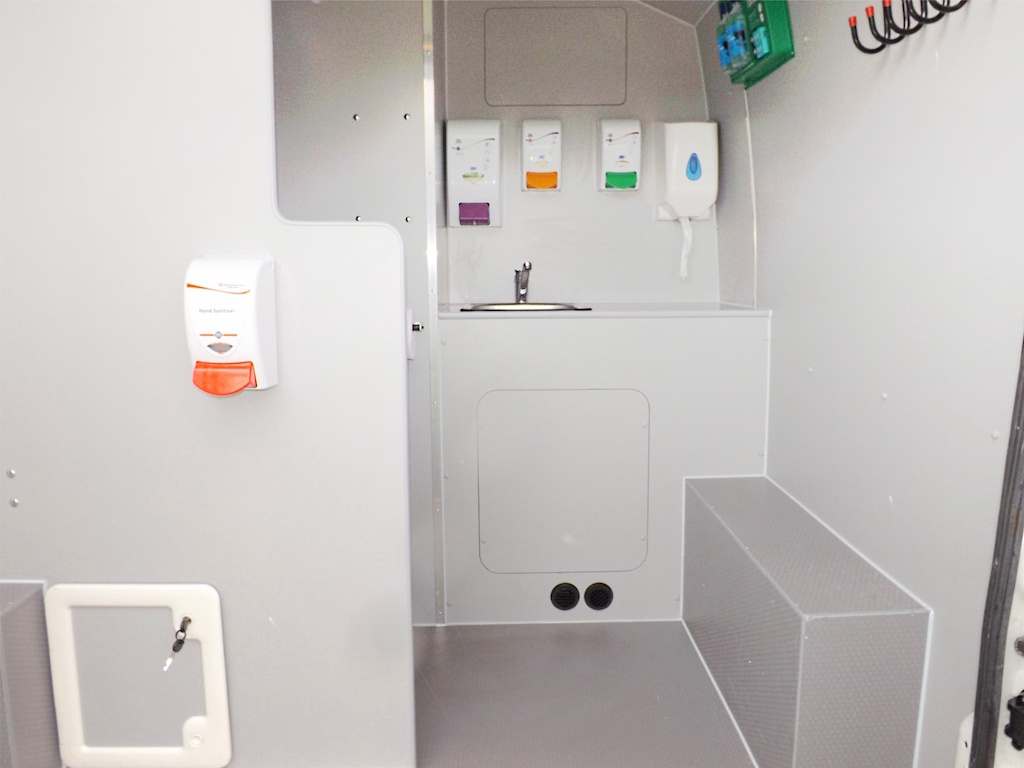
The transition towards electric commercial vehicles is already underway, and welfare vehicles are no exception. As vehicle technology continues to improve and charging infrastructure expands across the UK, Electric Welfare Vans are expected to play an increasingly important role in fleet operations.
Businesses investing in electric welfare vehicles today are not only reducing emissions but also future-proofing their fleets for the years ahead.
An Electric Welfare Van is a mobile welfare vehicle built on an electric van platform that provides on-site welfare facilities while producing zero tailpipe emissions.
Benefits include lower running costs, reduced emissions, quieter operation, Clean Air Zone compliance and improved sustainability performance.
Yes. Electric Welfare Vans are designed to provide welfare facilities for workers operating on construction sites, infrastructure projects and maintenance operations.
Our Electric Welfare Vans are based on the Ford E-Transit platform, combining Ford’s proven electric vehicle technology with our welfare vehicle conversion expertise.
CVM World is now accepting enquiries for Electric Welfare Vehicles. If you’re looking to future-proof your fleet, reduce emissions and provide high-quality welfare facilities for your workforce, our team is here to help.
Contact us today to discuss your Electric Welfare Van requirements.
Firstly you will be partnering with a family run business that has been going since 2007. We’ve supplied over 5,000 vehicles during this time. We’re FCA authorised and regulated and work with leading finance partners. But don’t just take our word for it, take a look at our👉 Google Reviews.
The team at CVM World are here to help, so give us a call and let’s have a chat about your next Minibus.
📞 01782 444 289
📩 info@cvmworld.co.uk
🌐 www.minibus-online.co.uk
A Tipper Van is a versatile commercial vehicle designed to transport and unload loose materials quickly and efficiently. Equipped with a hydraulic tipping mechanism, the rear load bed can be raised to allow materials such as soil, gravel, sand, rubble and waste to be unloaded with minimal manual effort.
Tipper Vans are widely used across a range of industries due to their practicality, durability and ability to handle demanding workloads. Whether you’re working in construction, landscaping, waste management or local authority services, a Tipper Van can help improve productivity while reducing unloading time.
A Tipper Van uses a hydraulic lifting system that raises the load bed at an angle, allowing materials to slide out safely and efficiently. The tipping function is controlled from within the cab, enabling the operator to unload materials without the need for extensive manual labour.
This makes Tipper Vans particularly useful for businesses that regularly transport loose or bulk materials between sites.
Tipper Vans are used by a wide range of businesses and organisations throughout the UK. Their flexibility makes them suitable for both private companies and public sector organisations.
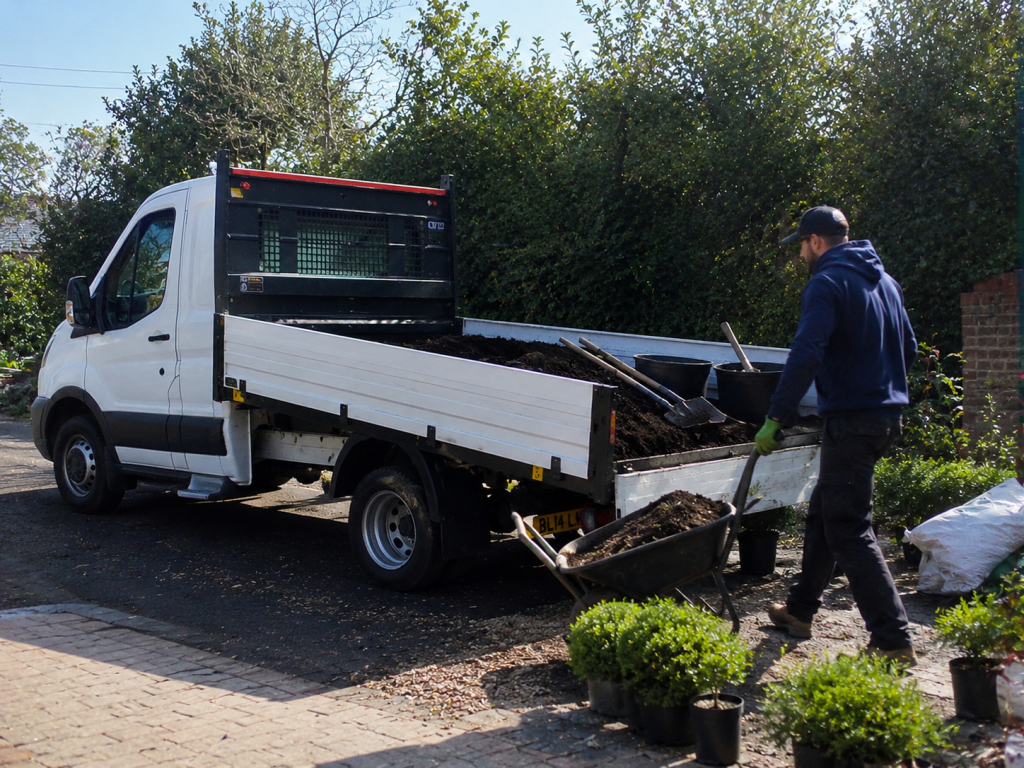
Landscaping companies often rely on Tipper Vans to transport materials such as soil, plants, bark, gravel and garden waste. The ability to quickly load and unload materials makes them ideal for projects where multiple deliveries are required throughout the day.
For landscaping professionals, a Tipper Van can help reduce manual handling while improving efficiency on site.
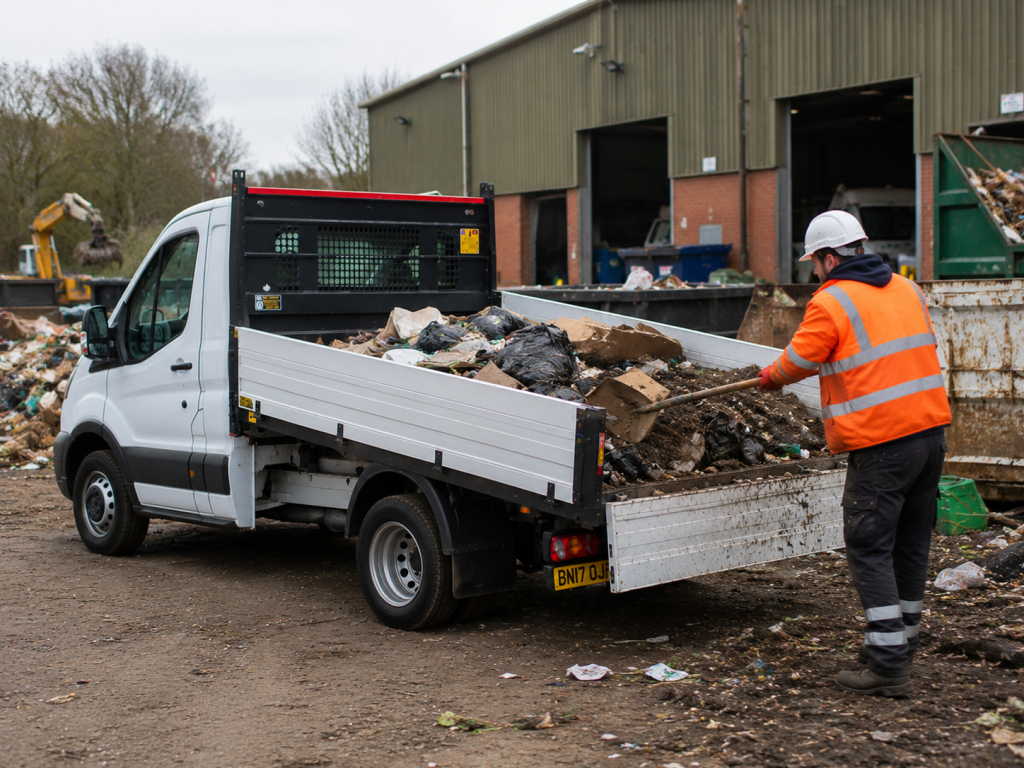
Waste removal businesses frequently use Tipper Vans to transport general waste, green waste and construction debris to recycling centres or disposal facilities. Their large payload capacities and quick unloading capabilities make them an
excellent choice for businesses carrying out site clearances and waste collection services.
Local councils often use Tipper Vans for road maintenance, grounds maintenance, waste collection and environmental services. Their versatility allows them to support a variety of day-to-day operations across towns, cities and rural areas.
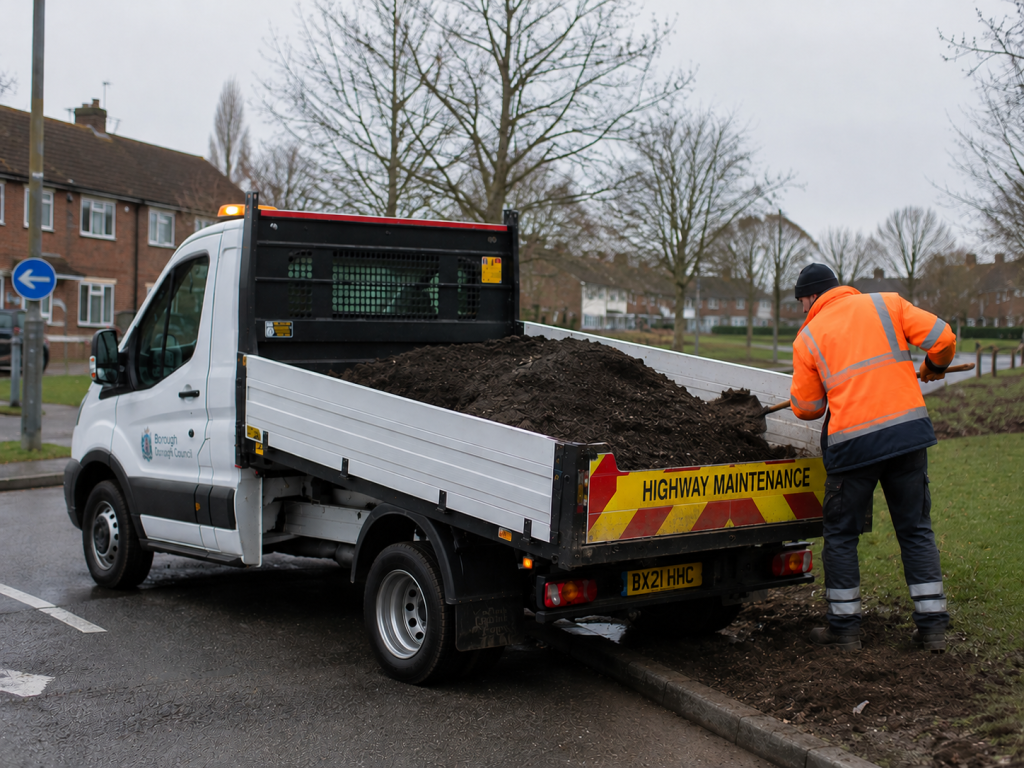
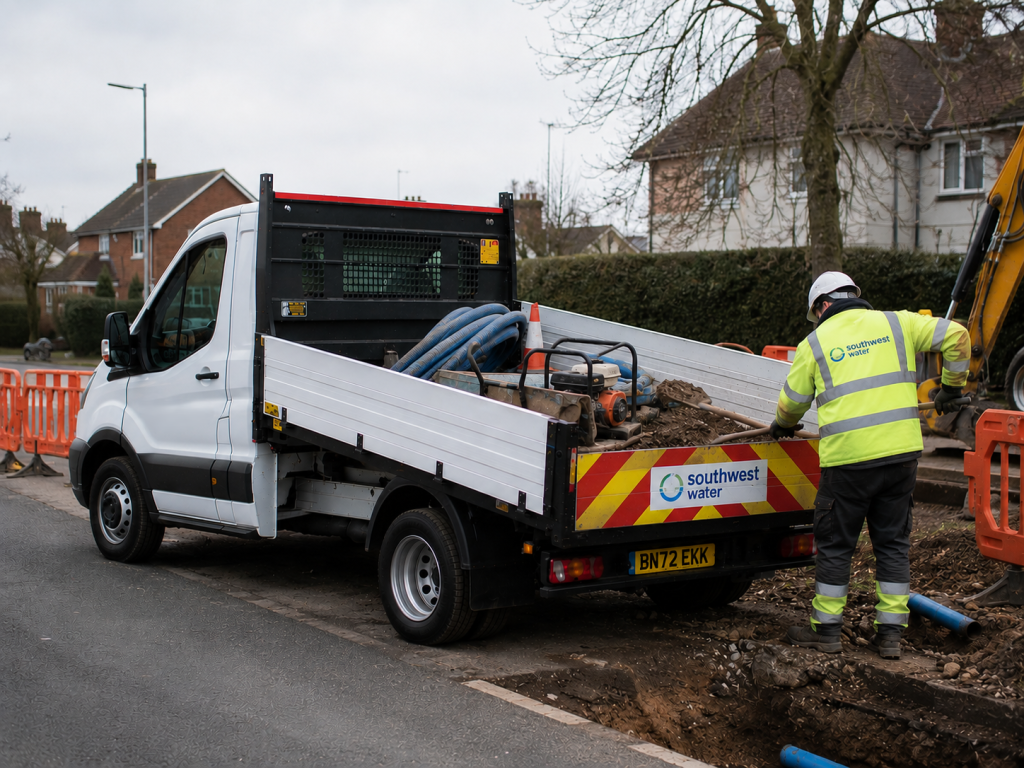
Utility contractors and infrastructure providers use Tipper Vans to transport equipment, materials and excavated waste during maintenance and installation projects. Their practicality makes them a valuable asset for businesses operating across multiple locations.
Construction companies regularly use Tipper Vans to transport building materials, rubble and waste between sites. Whether working on residential developments, commercial projects or infrastructure works, a Tipper Van provides a reliable solution for moving heavy loads efficiently.
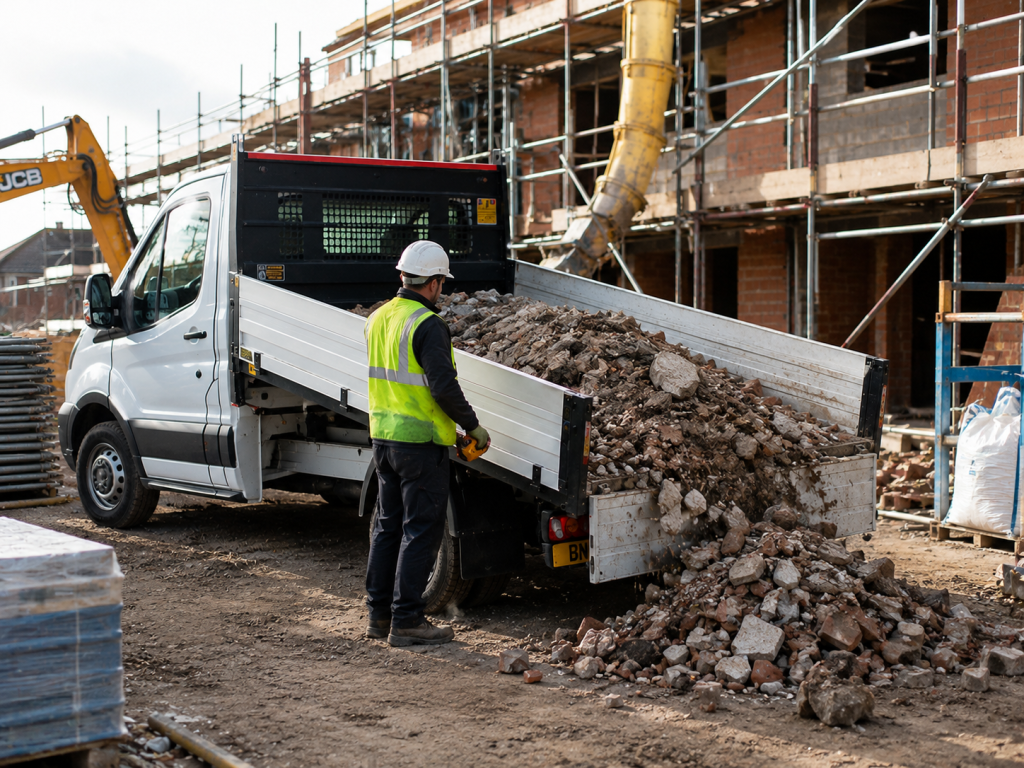
One of the biggest advantages of a Tipper Van is its ability to unload materials quickly and safely. Compared to manual unloading methods, the hydraulic tipping system significantly reduces labour time and helps projects stay on schedule.
By reducing unloading times, businesses can complete more jobs throughout the day. This can improve operational efficiency and help maximise the return on investment from the vehicle.
Safety is a key benefit of modern Tipper Vans. The hydraulic tipping system is designed to operate smoothly and securely, reducing the need for manual handling and lowering the risk of workplace injuries.
Many Tipper Vans also feature easy-to-use controls located within the cab, allowing operators to unload materials safely.
Tipper Vans are built to carry heavy loads. Depending on the vehicle specification, payload capacities can exceed 1,700kg, making them suitable for transporting a wide range of materials and equipment.
A Tipper Van can be used across multiple industries and applications, including:
This flexibility makes them one of the most versatile commercial vehicles available.
For businesses that regularly move bulk materials, a Tipper Van can help reduce labour costs, improve efficiency and minimise downtime. Over time, this can lead to significant operational savings.
Tipper Vans are commonly used to carry soil, sand, gravel, aggregates, garden waste, construction materials, rubble and general waste. Payload capacity will vary depending on the vehicle model and specification.
Many Tipper Vans offer seating for up to three people in the cab, allowing both personnel and materials to be transported at the same time.
Most Tipper Vans can be driven on a standard UK Category B driving licence, provided the vehicle remains within the applicable weight limits. Always check the specific vehicle’s gross vehicle weight before driving.
Yes. Tipper Vans are popular with both small businesses and larger organisations due to their practicality, versatility and ability to handle a wide range of tasks.
If your business regularly transports loose materials, construction waste, landscaping supplies or heavy loads, a Tipper Van could be the ideal solution. Combining strong payload capabilities, efficient unloading and exceptional versatility, Tipper Vans continue to be one of the most popular commercial vehicle choices across the UK.
Browse our range of Tipper Vans or contact our team today to discuss the best vehicle for your business requirements.
Pick-Ups in Agriculture play a vital role in modern farming operations. The modern agricultural industry is part of an evolving landscape that benefits from the operation of pick-up vehicles
The modern agricultural industry is part of an evolving landscape that benefits from the operation of Pick-Up Vehicles.
Efficiency is a key drive to ensuring productivity and profitability. One of the motor vehicle heroes in the agricultural sector is the pick-up truck, a versatile workhorse that plays a crucial role in farm operations. Performing a multi-role function, pick-ups in agricultural businesses are true work horses.
Livestock Management:
For farmers involved in livestock management, pick-up trucks are vital for transporting animals, feed, and equipment. The rear cargo area can be modified to accommodate towing livestock trailers, making the transportation of cattle, poultry, or other animals efficient and stress-free. Additionally, pick-ups are frequently used to deliver feed and supplies to different areas of the farm.
Transportation of Produce and Supplies:
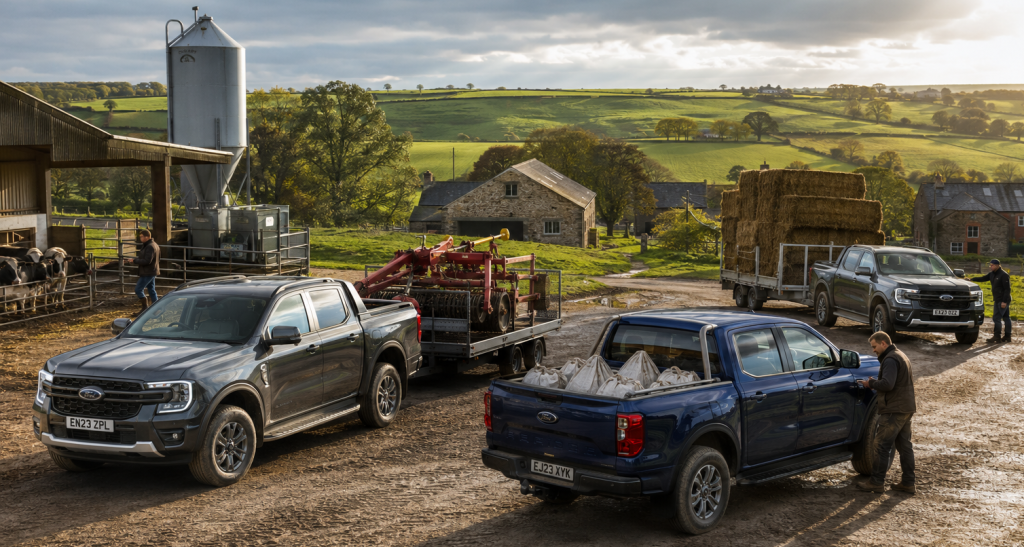
Pick-up trucks can be indispensable for the transportation of agricultural produce from the fields to markets or storage facilities. Whether it’s freshly harvested fruits and vegetables or bulkier items like hay or grains, pick-ups provide the necessary cargo space, towing capacity and capability to handle a variety of terrains and weather conditions.
Fieldwork and Crop Maintenance:
Agriculture involves a myriad of tasks related to fieldwork and crop maintenance. Pick-up trucks are often equipped with off-road capabilities, allowing farmers to navigate through uneven terrains to inspect crops, apply fertilisers, and manage irrigation systems. The mobility and versatility of pick-ups make them an essential tool for farmers engaged in day-to-day operations across vast agricultural landscapes.
Equipment Hauling:
Agricultural activities often require specialised equipment, such as Plows, Cultivators, and harvesting machinery. Pick-up trucks, with their towing capabilities, play a pivotal role in hauling these implements between fields or from storage to the working site. This flexibility is instrumental in optimising the use of machinery across the farm.
Emergency Response and Maintenance:
Farming is a dynamic industry where unforeseen circumstances, such as equipment breakdowns or sudden changes in weather conditions, can occur. Pick-up trucks equipped with toolboxes and emergency kits serve as mobile workshops, enabling agricultural workers to respond quickly to on-site issues and conduct routine maintenance tasks without the additional need for a dedicated maintenance facility.

While pick-up trucks are commonly owned by agricultural operators, there are instances where short-term vehicle rentals can offer significant advantages. Not least the flexibility to add transport capacity to demand.
Seasonal Demands:
Agriculture is inherently seasonal, with varying demands throughout the year. Short-term vehicle rentals allow the flexibility to increase an existing fleet during peak seasons without committing to the long-term costs associated with purchasing additional vehicles or the worry of vehicle depreciation. Whether it’s the harvest season or planting time, having access to extra pick-up trucks can alleviate the strain on existing resources.


Cost Efficiency:
Purchasing and maintaining a large fleet of vehicles can be a significant financial burden for farmers, especially for small or medium-sized operations. Short-term vehicle rentals provide a cost-effective solution by allowing farmers to pay only for the vehicles they need when they need them. This not only reduces upfront costs but also minimises ongoing maintenance and insurance expenses.
Flexibility and Adaptability:
Agricultural operations are dynamic and subject to change due to weather conditions, market fluctuations, or unforeseen challenges. Short-term vehicle rentals offer the flexibility to adapt and respond quickly to changing environments and operational needs. Whether it’s scaling up during busy seasons or scaling down during quieter periods, the ability to adjust the number of vehicles based on current needs is a valuable asset.

Reduced Downtime:
Vehicle maintenance and repairs can result in downtime for a farming operation, affecting productivity. Short-term vehicle rentals can help mitigate downtime by providing immediate replacements in the event of breakdowns or scheduled maintenance of owned vehicles. This ensures that farm activities continue seamlessly, minimizing disruptions and maximising efficiency.
In the realm of modern agriculture, pick-up trucks stand out as indispensable assets, contributing to the success of farm operations in numerous ways. Their versatility, mobility, and adaptability make them an essential tool for farmers engaged in a wide range of tasks, from transportation and fieldwork to livestock management and emergency response.
Recognising the seasonal and dynamic nature of agriculture, short-term vehicle rentals emerge as a strategic solution for optimising the use of pick-up trucks. Through offering flexibility and cost efficiency, short-term rentals offer agricultural businesses agility and resourcefulness to respond to their operational challenges.
📞 01782 444 289
📩 info@cvmworld.co.uk
🌐 www.minibus-online.co.uk
In today’s construction industry, efficiency, productivity, and worker welfare all play a major role in successful project delivery. As construction sites continue to evolve, traditional temporary welfare setups are gradually being replaced by more flexible and practical solutions. One of the biggest developments in recent years has been the rise of welfare vans for construction sites.
Modern construction welfare vans are far more than simple transport vehicles. They act as fully equipped mobile welfare units, giving workers access to essential on-site facilities wherever they are needed. From mobile offices and mess areas to toilets and handwashing facilities, welfare vans are helping construction companies across the UK improve day-to-day operations while supporting worker comfort, safety, and compliance.
At CVM World, we specialise in building high-quality welfare vans designed for the modern construction industry.
Traditionally, many construction sites relied on static welfare cabins, temporary trailers, or makeshift facilities to provide basic worker amenities. While these solutions served a purpose, they often lacked flexibility, mobility, and convenience.
Today, welfare vans for construction sites offer a far more practical and efficient alternative. These mobile welfare vehicles can be positioned exactly where they are needed, helping teams stay productive without travelling long distances across large or remote sites.
Modern construction welfare vans can include:
This makes welfare vans ideal for construction firms, highways contractors, utilities companies, rail projects, infrastructure teams, and civil engineering businesses across the UK.
One of the biggest advantages of a mobile welfare van is flexibility. Unlike fixed welfare units, welfare vans can easily move around the site depending on operational requirements.
This mobility allows construction firms to:
Construction welfare vans also help businesses respond quickly to changing project demands. Whether positioned beside active work zones or used as a central mobile hub, these welfare vehicles help keep projects running smoothly and efficiently.
Construction work can be physically demanding, especially during long shifts and difficult weather conditions. Providing clean, comfortable, and accessible welfare facilities is essential for maintaining worker well-being and morale.
A well-equipped welfare van gives workers a dedicated space to:
By investing in proper worker welfare solutions, construction companies can help improve productivity, job satisfaction, and overall site conditions.
Providing suitable welfare facilities is also an important part of maintaining health and safety standards within the construction industry.
For guidance on construction site welfare requirements, visit:
HSE Construction Welfare Guidance
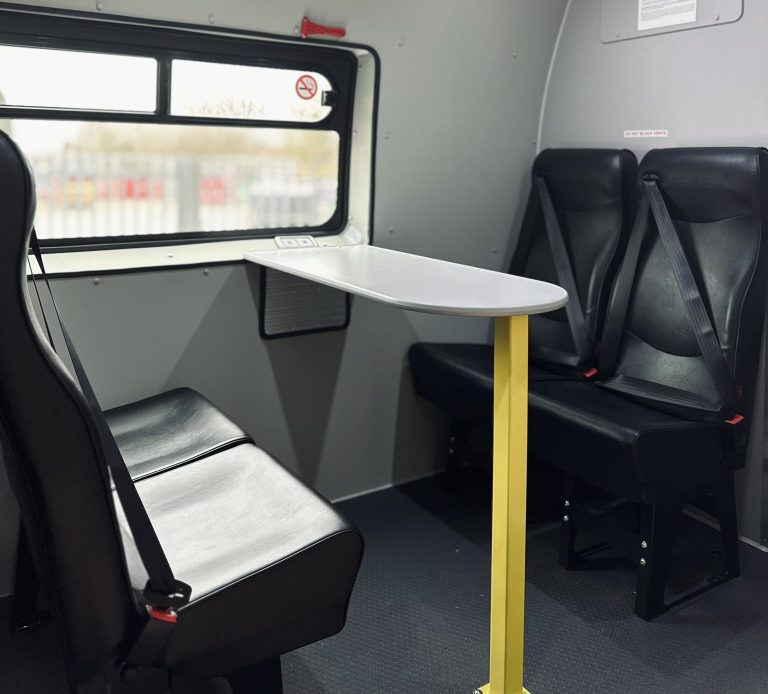
Modern welfare vans are also helping construction firms work towards sustainability and compliance goals. Many welfare vehicles now include energy-efficient systems designed to reduce fuel usage and environmental impact.
Features can include:
Construction welfare vans are also designed to support compliance with workplace welfare regulations, helping businesses meet their duty of care obligations while improving working conditions for on-site teams.
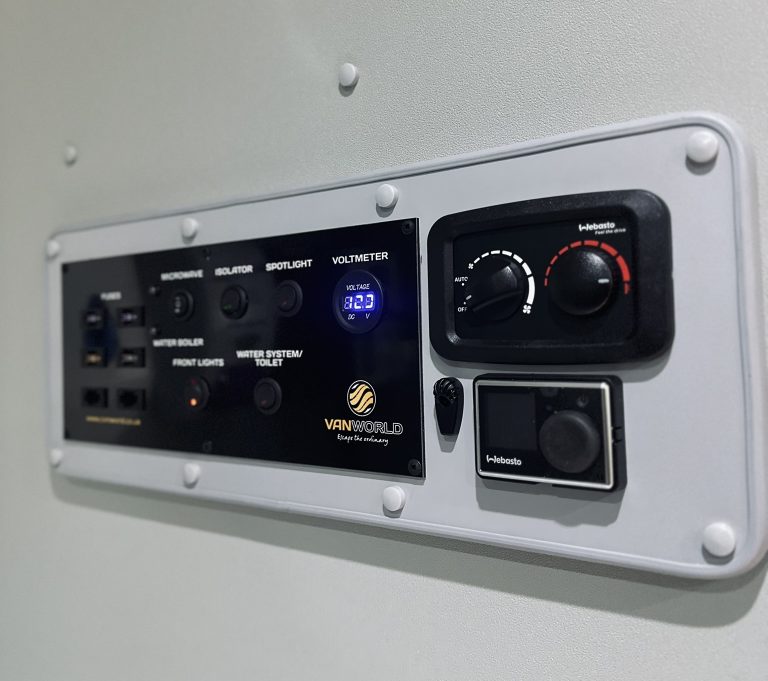
CVM World supplies high-quality welfare vans for construction companies, contractors, highways teams, and infrastructure projects across the UK. Our welfare van conversions are designed to provide practical mobile welfare solutions that improve comfort, compliance, and productivity on-site.
Whether you need a mobile office, welfare vehicle, or fully equipped construction welfare van, our team can help you find the right solution for your operation.
Our welfare vans are ideal for:
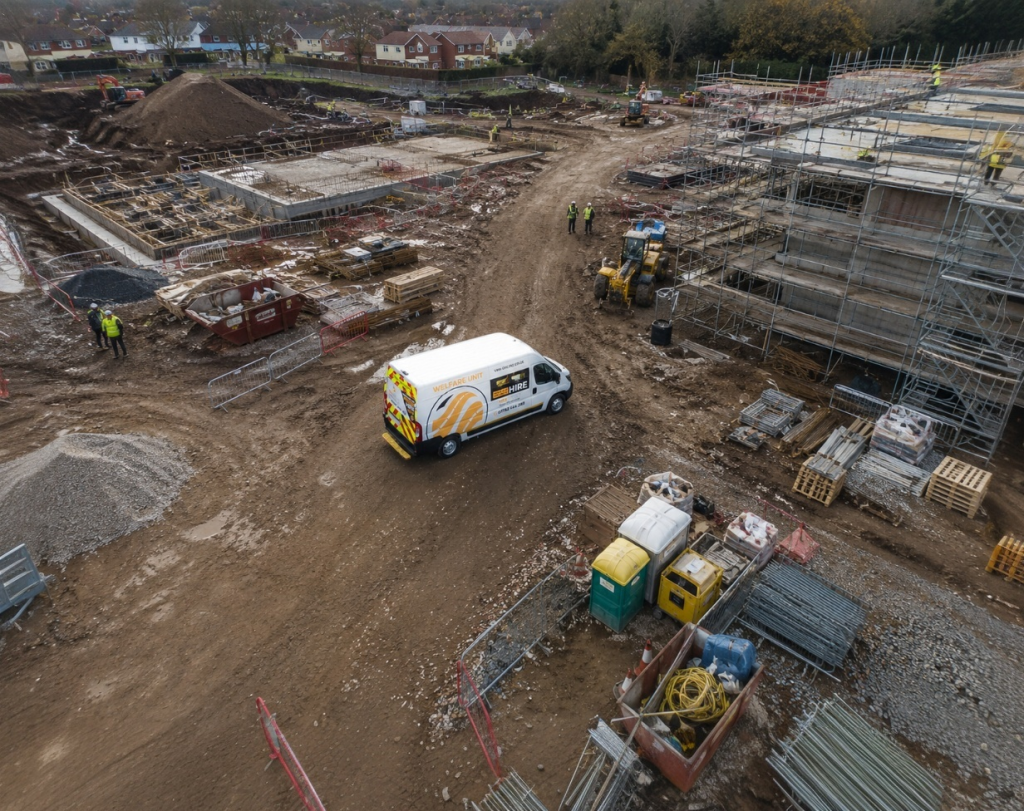
A CVM World welfare van combines practicality, durability, and comfort into one complete mobile solution.
Our welfare vans can provide:
Built to support demanding working environments, our welfare vans are designed to help businesses improve efficiency, worker welfare, and compliance across a wide range of industries.
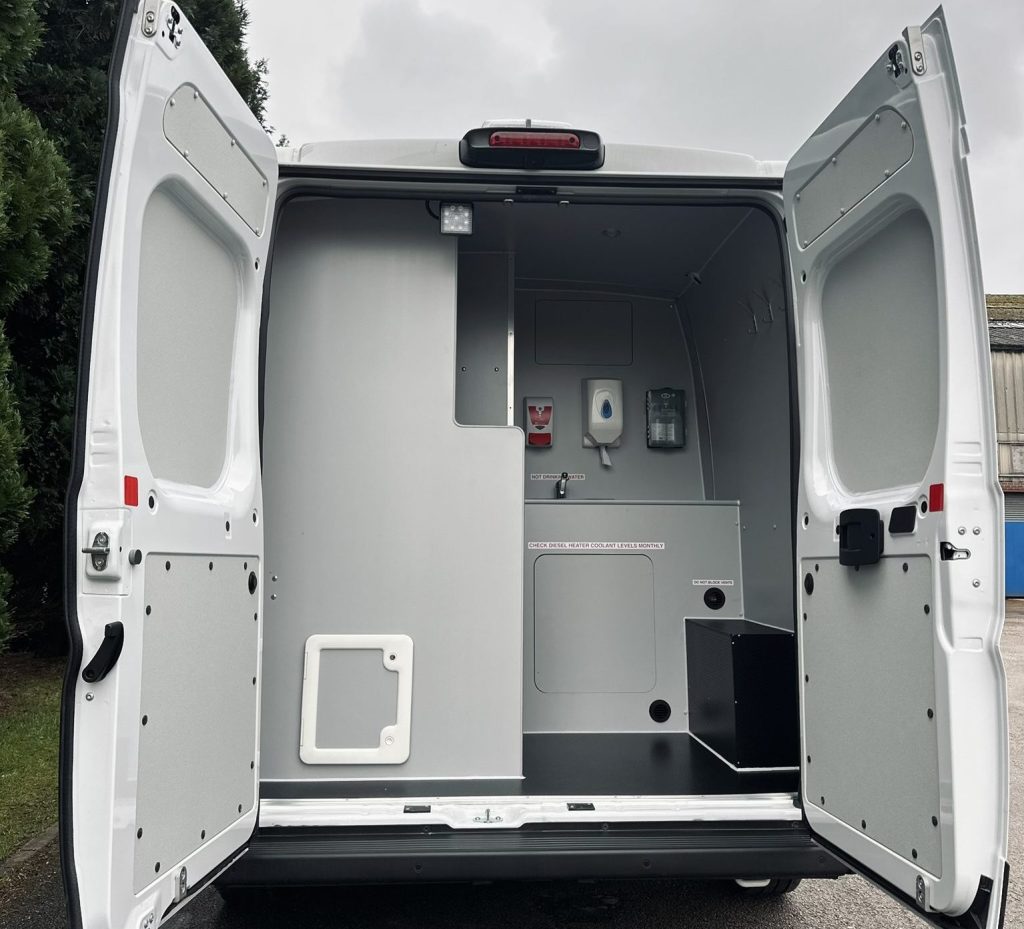
If you are looking to improve on-site welfare, productivity, and compliance, a mobile welfare van could be the ideal solution for your operations.
Explore the latest welfare vans from CVM World or contact our team today to discuss the right welfare vehicle for your business.
📞 01782 444 289
🌐 www.cvmworld.co.uk
See the full layout, onboard facilities and practical setup in action.
This walkaround gives you a clearer understanding of how the mess area, wash stations, kitchenette and onboard WC are arranged within the vehicle, along with how the space works in real working conditions.
👉 If you’re considering a welfare van for your operation, this video helps visualise how everything comes together in a single, mobile unit.
📞 01782 444 289
📩 info@cvmworld.co.uk
🌐 www.minibus-online.co.uk
The New Ford Ranger Plug-In Hybrid Pickup is finally here in 2026. It’s changing the game for the pickup market offering power, efficiency, and lower emissions, all in one vehicle. Whether you’re upgrading your fleet or need a versatile vehicle for your business, CVM World is offering the Ford Ranger PHEV for business lease, along with an Extreme modified model available for sale.
Combining a powerful 2.3-litre EcoBoost Petrol engine with a 75 kW battery-powered motor, the Ford Ranger Plug-In Hybrid offers:
Impressive all-electric range (ideal for city driving and short trips) – up to 26 Miles
Serious towing capacity for work or adventure – up to 3.5 Tonne
Powerful petrol engine benefiting from 281ps compared to 205ps that a 2.0L Diesel puts out – as well as enjoying 697nm of torque compared to 500nm the 2.0 Diesel allows.
Offroad capability offering 7 different driving modes compared to the standard 6 modes that the 2.0L Diesel has access to.
Massive Payload helping with heaving loading – up to 1,046kg, which is more than the standard Diesel Ford Ranger
Lower running costs thanks to better fuel efficiency and potential tax benefits
Significant savings can be made when charging, particularly to a low electricity tariff – Up to £1,030 a year (vs 2.0L Diesel, assuming 50 miles/day and 7p/kWh EV tariff), or up to £300 a year on a standard tariff (27.5p/kWh) *
Benefit from lower Service, Maintenance & Repair (SMR) costs, due to the lack of need for AdBlue or Diesel Particle Filters (DPFs). An estimated £2,452 saving to SMR can be made running Ranger PHEV *
Enjoy lower Benefit in Kind (BIK) rates thanks to Ranger PHEV’s low CO2 emissions of 68g/km. For example, a 20% tax payer has a Monthly BIK Rate of £174, compared to £306 for Ranger 2.0 Diesel.
At CVM World, we make it easy for businesses to access the latest vehicles. Whether you’re looking to buy outright or arrange a business lease, we offer competitive pricing, fully maintained contracts, expert advice and nationwide delivery.
Ready to go hybrid? The New Ford Ranger Plug-In Hybrid Pickup is the perfect solution—and it’s available now at CVM World.
* May not reflect your actual fuel costs, may vary depending on driving habits, type of fuel and road conditions. Baseline Assumption – Diesel £1.461/l, Petrol £1.387/l, Electricity £0.275/kWh. Based on daily mileage driven 6 days per week/42 weeks a year. All prices and tax rates are subject to change.
** Distance-based study. Routine service interval of 2yr/20k km for PHEV. SMR costs in line with target = Competitive. SMR costs based on 3 year/150k km (93k mi) ownership period.
At CVM World, we are specialists in professional van conversions and bespoke commercial vehicle solutions. Our manufacturing quality and production standards have earned us recognition from Peugeot as an Approved Second Stage Manufacturer, allowing us to deliver market-leading converted vehicles built to personalised customer specifications.
With years of experience in commercial vehicle conversions, we have brought our expertise into the growing Welfare Van market, helping businesses across the UK provide safe, compliant, and practical mobile welfare facilities for staff working remotely or on-site
A Welfare Van, also commonly known as a Mess Van, is a specially converted vehicle designed to provide essential welfare facilities for workers operating away from permanent premises.
These mobile welfare vehicles are widely used across industries such as:
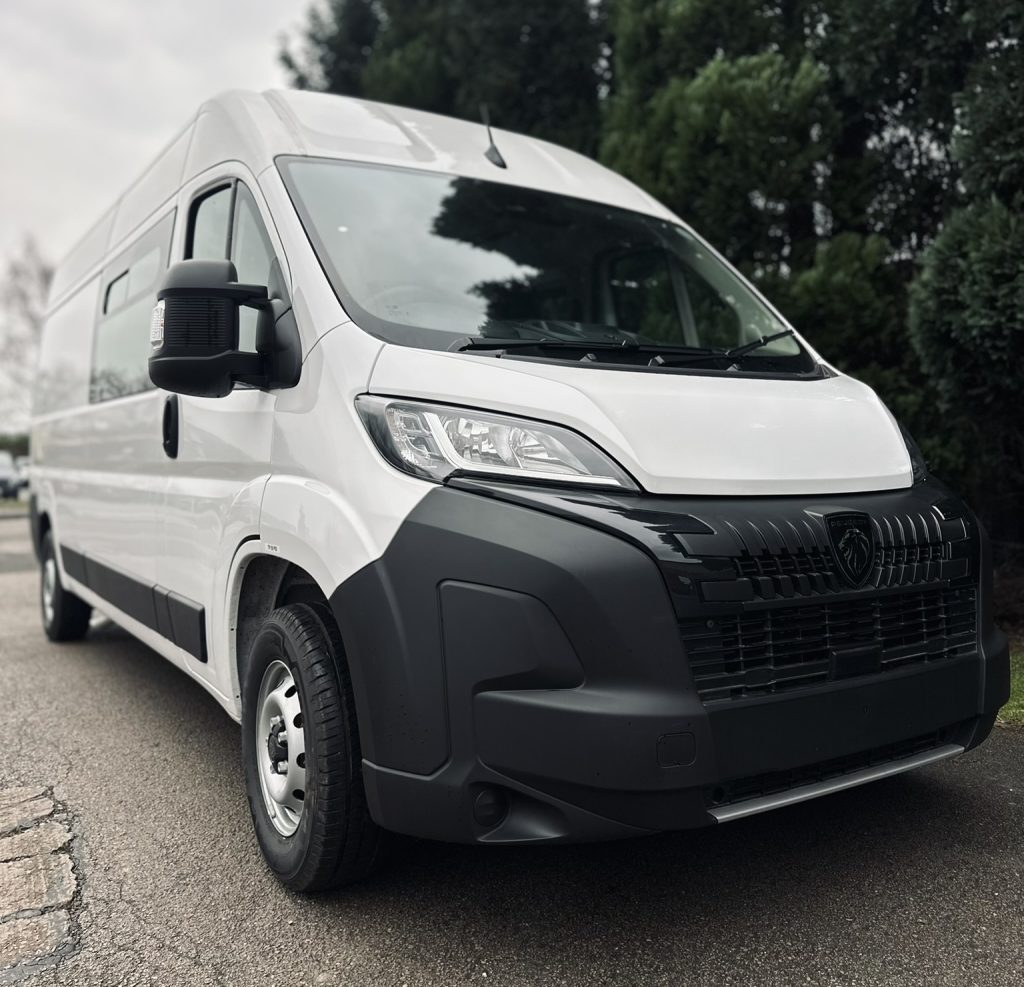
As many industries continue to rely on mobile workforces and temporary job sites, Welfare Vans have become an essential part of maintaining employee wellbeing, comfort, and legal compliance.
Under the Workplace (Health, Safety and Welfare) Regulations 1992, employers have a legal responsibility to provide suitable welfare facilities for employees. This includes access to:
For teams operating in remote or temporary environments, a Welfare Vehicle offers a practical and efficient solution to help businesses meet these obligations.
A professionally converted Welfare Van can help improve operational efficiency while supporting employee welfare on-site.
Providing access to welfare facilities helps improve comfort, morale, and working conditions throughout the day.
Welfare Vans can move easily between sites, making them ideal for construction projects, utilities work, and temporary operations.
A compliant Welfare Vehicle helps businesses meet workplace welfare regulations and site requirements.
On-site welfare facilities reduce unnecessary travel and downtime during break periods.
Modern Welfare Vans help create a more organised, professional, and well-managed working environment.
When choosing the right Welfare Van for your fleet, it is important to consider the facilities and layout required for your operations.
Here are some key features commonly included in a Welfare Vehicle solution:
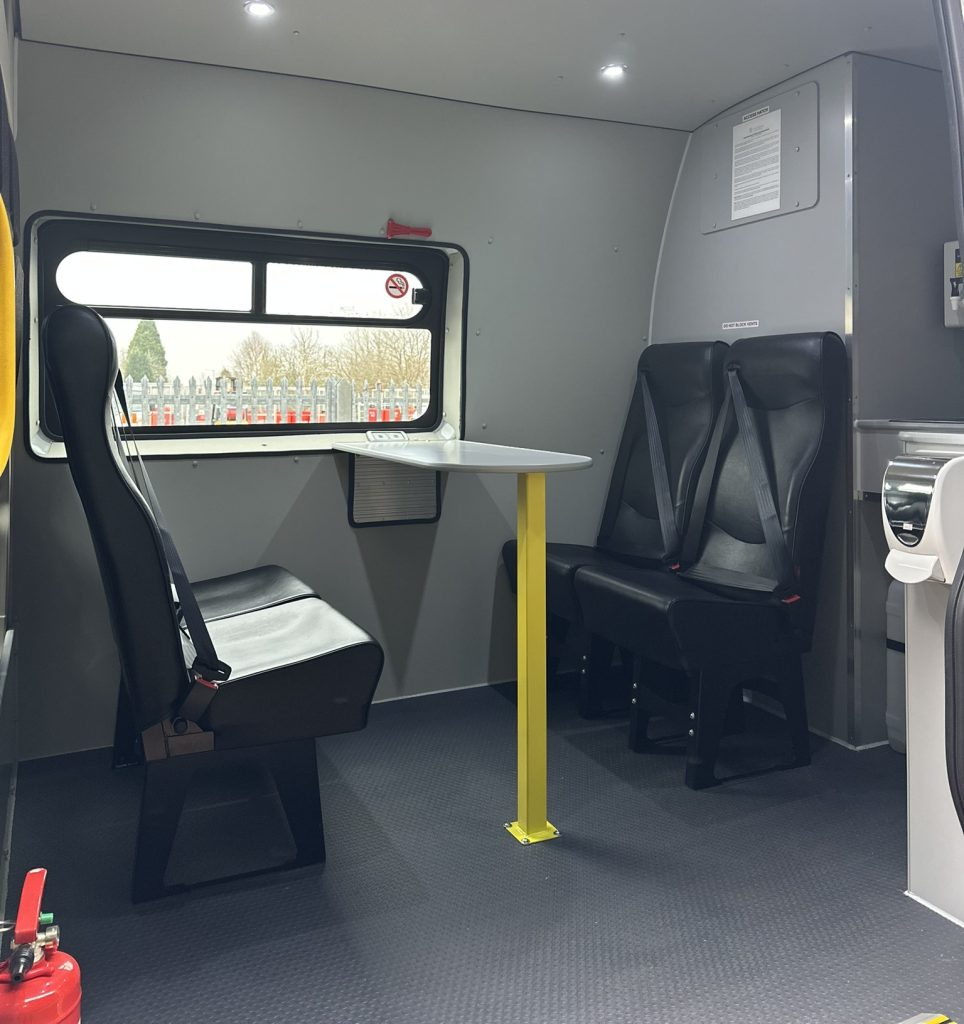
Depending on your requirements, Welfare Vans can also be customised with additional storage, heating systems, generators, lighting, or specialist equipment.
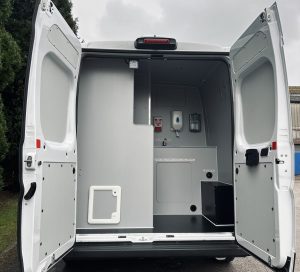
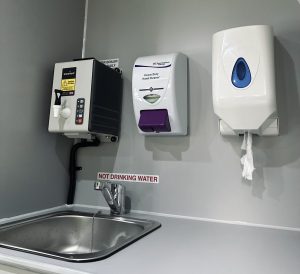
At CVM World, we understand that every operation has different welfare requirements. Whether your team needs a mobile break area, changing facilities, toilet facilities, or a fully equipped welfare solution, our Welfare Vans can be tailored to suit your needs.
If you are looking to upgrade your fleet with a professional and practical Welfare Vehicle, our team is here to help.
See the full layout, onboard facilities and practical setup in action.
This walkaround gives you a clearer understanding of how the mess area, wash stations, kitchenette and onboard WC are arranged within the vehicle, along with how the space works in real working conditions.
👉 If you’re considering a welfare van for your operation, this video helps visualise how everything comes together in a single, mobile unit.
📞 01782 444 289
📩 info@cvmworld.co.uk
🌐 www.minibus-online.co.uk
When Staffordshire Police came to us needing a specialist dog unit van conversion, we got to work designing a vehicle that would meet the demanding requirements of frontline policing,where specialist units such as police dog teams play a key role in operations, as outlined by the National Police Chiefs’ Council.
The result was a fully bespoke build capable of housing three dogs at once, with a layout designed to keep handlers safe and dogs secure at all times.
At the core of this build is a three-cage setup, each individually designed to give the dogs enough space to travel comfortably during what can be long operational shifts. The cages were built to a high structural standard, strong enough to contain even the most powerful working dogs without movement or flex in the unit,helping support both safety and animal welfare during transport, in line with general guidance from organisations such as the RSPCA.
All three cages were also designed to be fully removable, giving the force the flexibility to reconfigure or repurpose the vehicle as needs change. This kind of adaptability is something we always look to engineer into our Blue Light builds wherever possible.


One of the standout features of this conversion is the front cage roller system. For handlers working with more aggressive or high-drive dogs, safely extracting the animal from the vehicle is a critical part of the job.
Rather than requiring the handler to reach into a confined space, the front cage slides out on a smooth roller mechanism, bringing the dog to the handler, not the other way around. It’s a detail that makes a genuine difference in day-to-day operational safety, and one we were pleased to engineer into the design.
Alongside the dog transport element, the conversion also incorporates a compact but secure drugs and firearms safe, built into the load area of the vehicle. This allows officers to safely store sensitive equipment within the same unit, without any compromise on security aligning with wider UK guidance around the handling and storage of sensitive equipment from the UK Home Office.

➡️Three individual dog cages, structurally reinforced for working dog use
➡️All cages fully removable for reconfiguration
➡️Front cage mounted on a roller slider for safe extraction of high-risk dogs
➡️Integrated compact safe for drugs and firearms storage
➡️Built to meet Staffordshire Police operational requirements


Working with emergency services and specialist police units is something we take great pride in at Van World. These are not standard commercial conversions, they need to perform reliably in demanding conditions, day in and day out, often with officer and public safety depending on them.
Each element of this build has been designed with real-world use in mind, from safe dog handling and secure containment to flexibility and durability under pressure.
If you’re part of a Blue Light unit or specialist service and need a bespoke vehicle conversion, we’d love to hear from you. Explore more builds in our Blue Light conversion range or get in touch with the team to discuss your requirements.
The Police Welfare Van UK is a specialist vehicle conversion designed to provide on-site welfare support for officers operating without access to fixed facilities.
This completed build by CVM World focuses on practicality above all else, creating a mobile space that supports rest, basic welfare needs and operational efficiency during long or demanding shifts.
Rather than acting purely as transport, this vehicle functions as a mobile support unit, helping teams maintain performance and wellbeing while operating across multiple locations.
The walkaround video highlights how the layout and interior have been designed to work in real-world conditions, with a clear focus on usability, durability and ease of maintenance.
This welfare van has been designed with operational requirements in mind, not aesthetics.
Key advantages of this type of conversion:
✔ Self-contained welfare environment within a single vehicle
✔ Designed specifically for emergency service use
✔ Interior built for durability and repeated daily use
✔ Layout prioritises function and accessibility
👉 The result is a vehicle that can be deployed quickly and used immediately without additional setup.
Police Welfare Van UK – Interior Layout & Key Features
The vehicle includes a dedicated welfare area where officers can take short breaks during deployments.
The layout supports:
All surfaces are designed for durability and ease of cleaning.

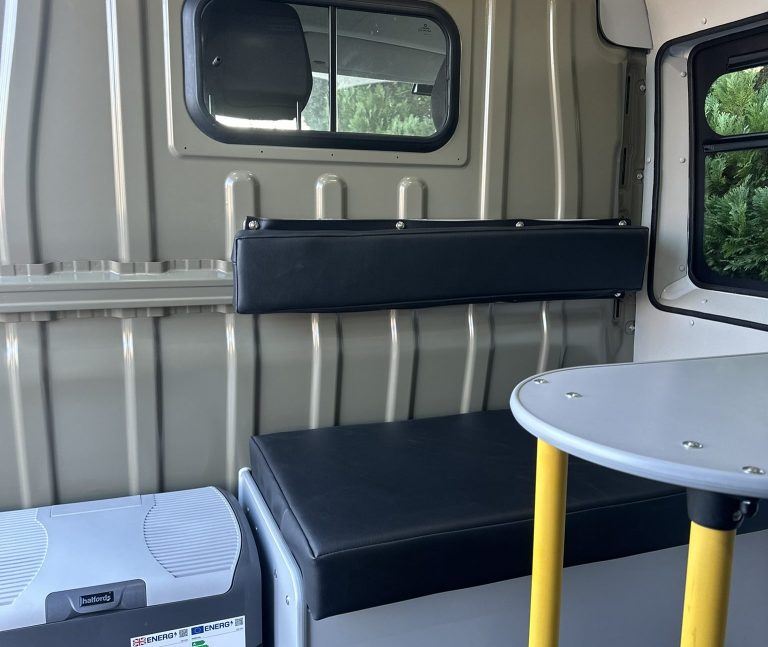
Storage within the vehicle is arranged to support operational efficiency.
This ensures the vehicle remains functional during active use.
The conversion includes integrated welfare features to support officers while working remotely.
These are designed to:
👉 This is a key requirement for modern operational vehicles.

The interior has been constructed using materials suited for heavy use environments.
This ensures the vehicle can handle repeated use without compromising condition or functionality.
The overall design supports safe and controlled use during operations.
👉 Everything is built with real-world usage in mind.


Compared to traditional welfare setups, this type of vehicle offers a more flexible alternative.
Instead of relying on:
A mobile welfare van allows:
✔ Immediate use with no installation required
✔ Rapid relocation between operational areas
✔ Reduced setup time and logistics
✔ Consistent welfare access wherever needed
👉 This is particularly important for emergency response scenarios.
You can learn more about Clean Air Zones and operational requirements on the official UK Government website:
Reduces reliance on external welfare facilities
Improves efficiency across multiple locations
Minimises downtime during long deployments
Provides consistent welfare access for teams
This type of conversion is suitable for:
✅ Police forces and law enforcement
✅ Incident and emergency response teams
✅ Public event operations
✅ Long-duration deployments
✅ Temporary or remote working environments
The video provides a clear look at how the vehicle is set up and how the interior space functions in practice.
It focuses on real usage rather than specification, helping you understand how the welfare area, storage and layout work together during live operations.
👉 Watching the walkthrough gives a better sense of space, flow and usability than images alone.
📞 Speak to our team today to discuss your requirements and build a welfare vehicle tailored to your operation.
Welfare vehicles like this are built to order, so early enquiry is recommended.
Call: 01782 444 289
A police welfare van is a mobile support vehicle designed to provide rest space and basic welfare facilities for officers during operations.
They allow officers to access welfare facilities in locations where fixed infrastructure is not available.
Yes, conversions are typically designed around specific operational needs and requirements.
Mobility and immediate deployment, allowing welfare support wherever it is required.
A practical, cost-effective mobile welfare solution built for flexible operations across multiple UK sites
The Peugeot Boxer Welfare Van UK is a fully equipped mobile welfare unit designed for teams operating without access to fixed facilities.
Built on the Peugeot Boxer Standard L3 H2 platform, this model provides the interior space required for a complete welfare conversion, while maintaining a practical and efficient footprint for everyday use.
Powered by a 2.0-litre Euro 6 diesel engine, the vehicle is ULEZ compliant and suitable for operation in Clean Air Zones across the UK.
Designed to carry up to 7 passengers, while also offering a mess area, kitchenette, wash facilities and onboard WC, this welfare van supports teams working across multiple locations, projects and temporary sites.
In our latest walkaround video, we explore the layout, onboard facilities and practical setup, helping you understand how this vehicle performs in real-world conditions.
Unlike some heavier or more complex setups, the Peugeot Boxer platform focuses on simplicity, efficiency and usability.
Key characteristics of this model:
✔ Practical L3 H2 layout with strong usable space
✔ Efficient front-wheel drive configuration
✔ Straightforward and functional interior setup
✔ Suitable for regular multi-location use
👉 This makes it a strong option for organisations that need a reliable, no-complication welfare solution.
Peugeot Boxer Welfare Van UK – Key Features & Layout
Provides a dedicated space for teams to sit, rest and take breaks on-site.


Supports on-site hygiene requirements and welfare standards.
Allows for basic food and drink preparation while on location.


Provides a self-contained welfare setup within the vehicle.


Designed to support safe and compliant daily use.
Built for consistent use in working environments.
The FWD setup supports practical driving across urban areas and operational sites.
When comparing this model to the Ford Transit Welfare Van:
Peugeot Boxer
✔ More straightforward and cost-focused setup
✔ Efficient for everyday operations
✔ Simple, functional layout
Ford Transit
✔ Broader drivetrain options (FWD & RWD)
✔ Slightly more premium feel in some variants
✔ Often chosen for heavier-duty applications
👉 The best option depends on budget, usage and operational preference.
This vehicle is Euro 6 compliant and suitable for operation in ULEZ and Clean Air Zones across the UK.
Licence requirements may vary depending on:
Always confirm suitability before use.
This vehicle is suitable for:
✅ Construction & Site Teams
✅ Utility & Infrastructure Operations
✅ Highway Maintenance
✅ Event & Temporary Setups
✅ Support & Outreach Services
See the full layout, onboard facilities and practical setup in action.
This walkaround gives you a clearer understanding of how the mess area, wash stations, kitchenette and onboard WC are arranged within the vehicle, along with how the space works in real working conditions.
👉 If you’re considering a welfare van for your operation, this video helps visualise how everything comes together in a single, mobile unit.
Looking for a Peugeot Boxer Welfare Van for sale in the UK?
Call: 01782 444 289
Contact us today to confirm availability, options and suitability.
It provides mobile facilities such as seating, washing and toilet access for teams working on temporary or remote sites.
Yes, it includes a toilet, hot and cold water sinks and full hand wash facilities.
Up to 7 passengers alongside its welfare setup.
Yes, it meets Euro 6 standards and can operate in Clean Air Zones.
Yes, this model is listed as new and not pre-registered.